How I Design Homes That Feel Calm (Spoiler: It's Not the Throw Pillows)
You know the feeling: you walk in the front door, keys still in hand, and nothing is technically wrong — the house is clean-ish, nobody's yelling, the mail is even sorted. But nothing about home makes you exhale or feel that deep sense of calm.
Nearly every client brings up wanting a calm space, whether they say it outright or not (plenty don't even realize that's what they're really asking for). Let's be real: life is chaotic enough. Home is supposed to be the one place you get to kick your feet up, exhale, and dare I even say…relax.
(FYI: yes, my friend, you're allowed to relax. It's even scientifically proven to be good for you. I checked.)I design homes that feel calm for a living, and here's the secret nobody wants to hear: it's rarely about buying more stuff, and it's almost never about going full minimalist. It's about what your eyes land on first, what your brain has to process in every room, and whether you can even still see your own space or you've just gotten used to it. That last part is the one people miss, so let's start there.


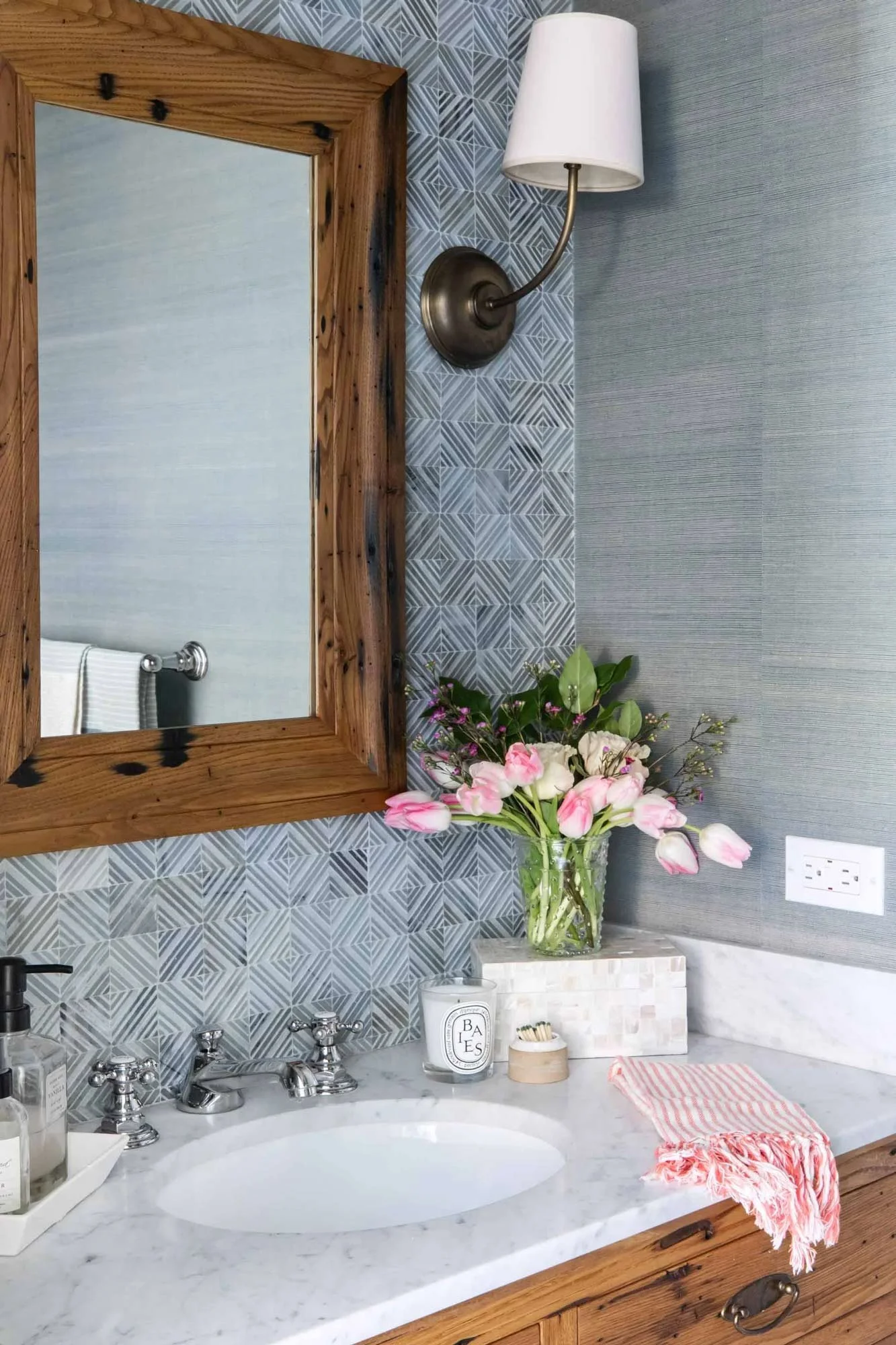
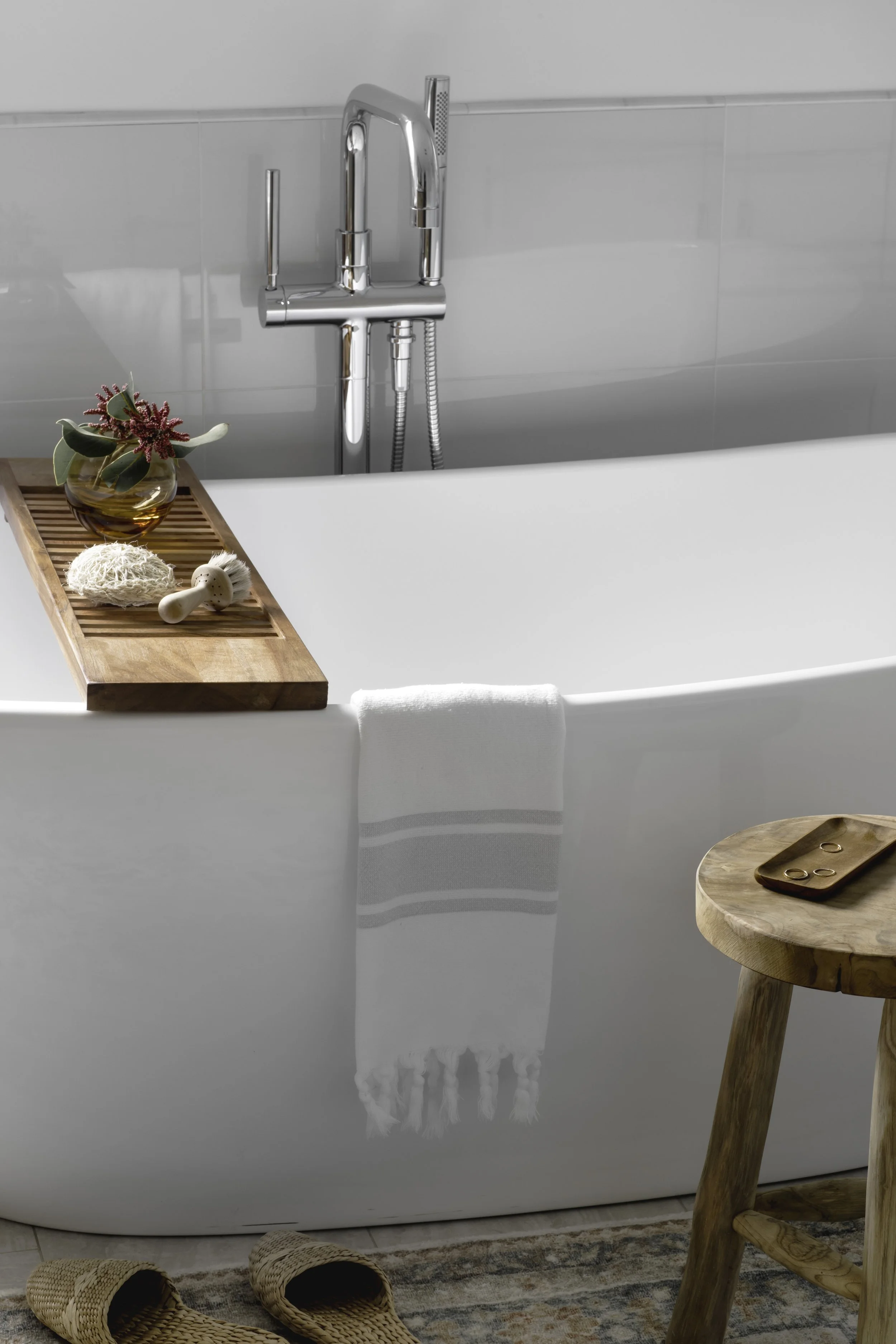
What Actually Makes a Home Feel Calm?
Quick fact: did you know that a “chaotic” home raises your stress levels? Research on cortisol and cluttered homes confirmed the stress hormone spikes (and get this — clutter stresses out women more than men!). I mean, I already knew this, but actual research just makes it more real.
None of this means your house needs to be spotless. It means your brain is constantly sorting what needs attention and what can be ignored, and clutter gives it nothing to ignore. None of us need more stress in our lives. So how can you eliminate this from the very place you’re meant to relax?
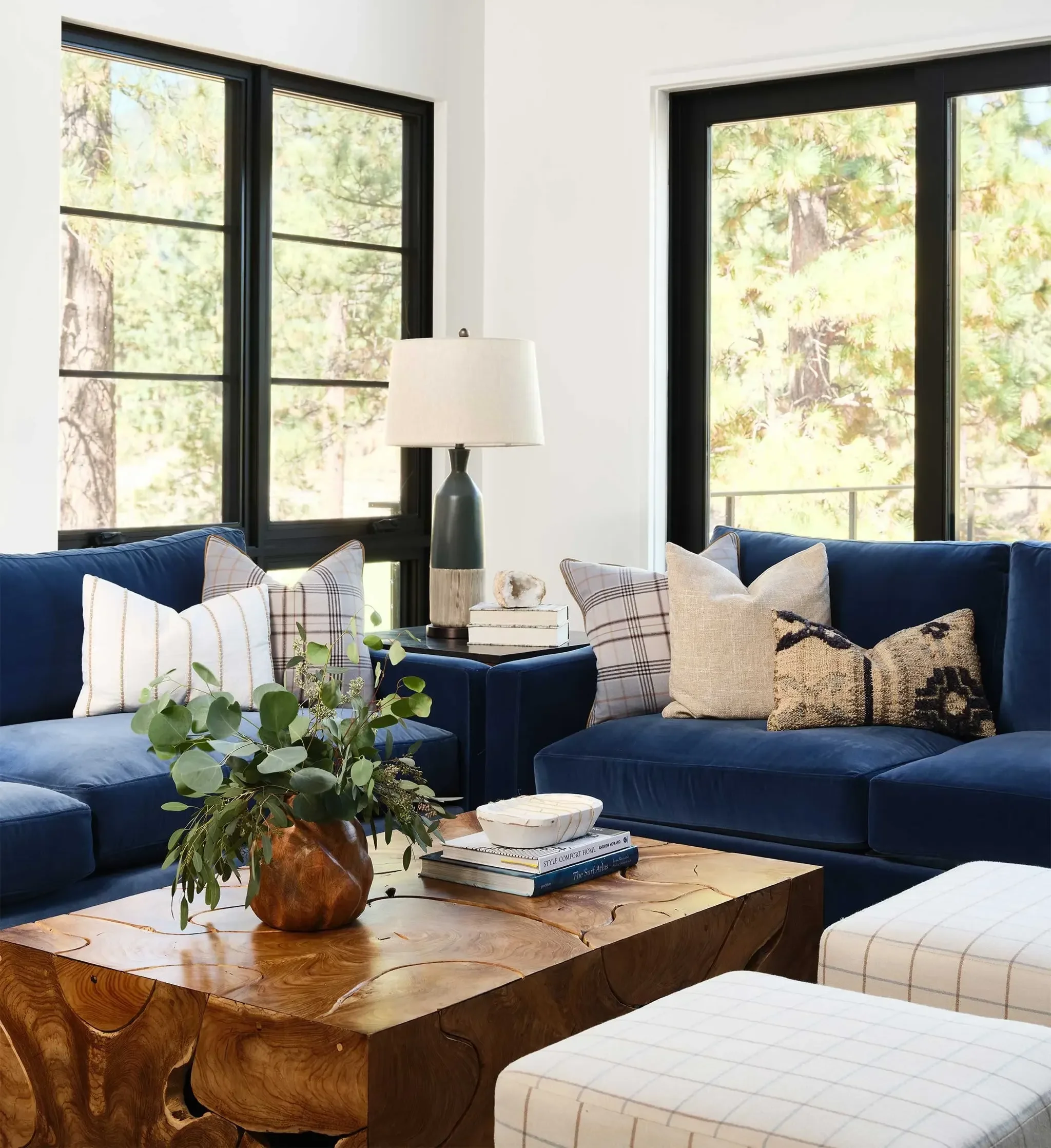
A calm home comes down to four things: visual order (meaning fewer things competing for your attention), natural light, materials that feel good to touch, and colors chosen on purpose instead of by accident. It has nothing to do with owning less for the sake of less, and everything to do with what you're forced to look at every day.
Designers have started calling this the "considered calm" trend: serene and clutter-free room-to-room, not just pretty in isolated corners. It's not stark minimalism, either. What's actually resonating is timeless design, warmer colors, and natural textures instead of a room that feels like a hotel lobby nobody lives in.
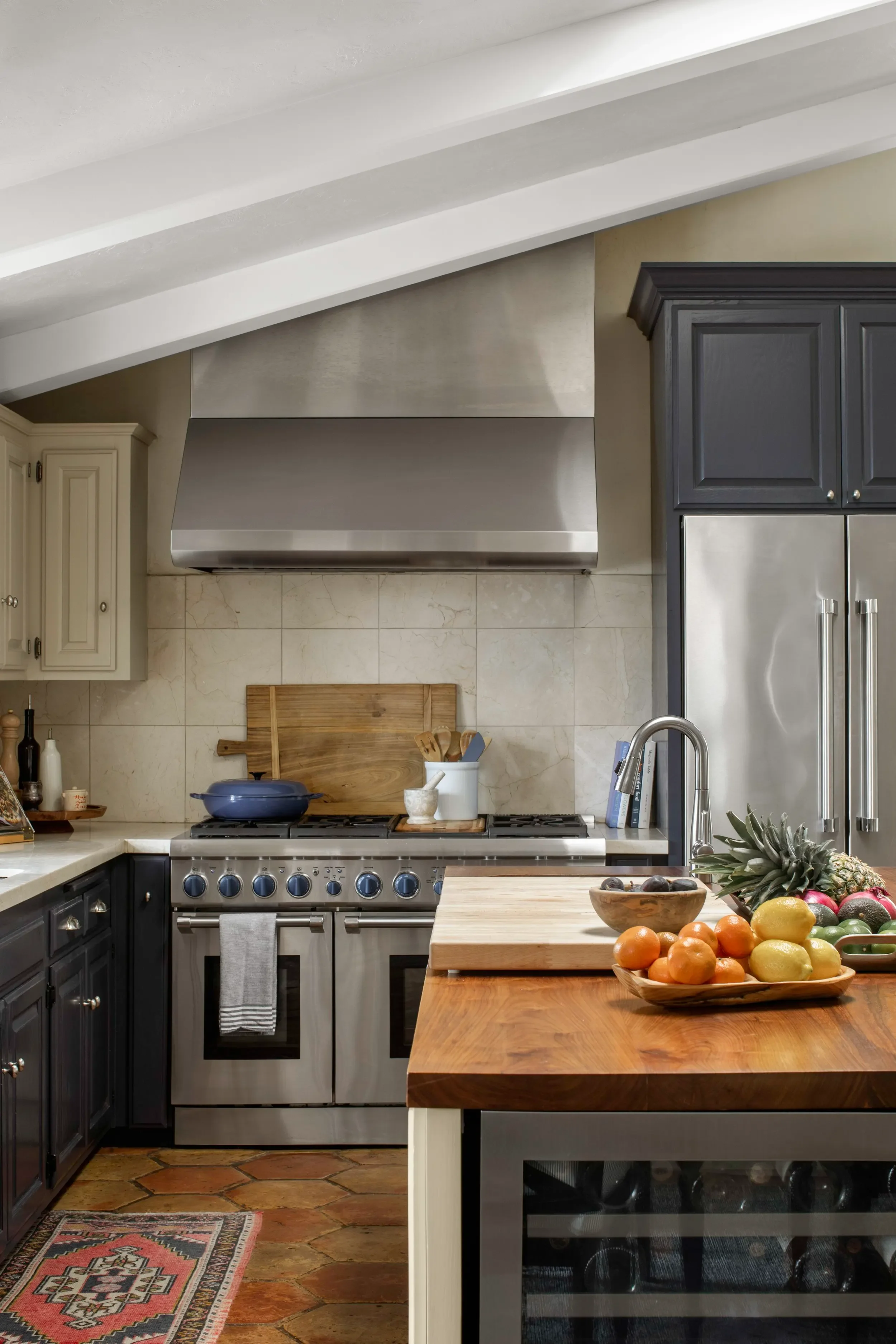
The Reason You Can’t See Your Own Chaos
Did you know that most people eventually go blind to their own mess? And no, I'm not calling your house “messy.” Just hear me out. Your brain stops flagging what's familiar after a while, which is really just a nice way of saying it gives up.
That's decision fatigue, and it gets worse the longer you've been avoiding a problem. You're not sure what to do about the outdated curtains or the walls that have been bare for two years, so you just get used to it. "Later" becomes "never," and your chaos (or lack of calm) eventually becomes your design style.
That may sound dramatic, but it's exactly what happens. It's genuinely hard to see a problem when you're the one living in it every day. Sometimes it just takes a fresh set of eyes to catch what familiarity makes invisible — which is exactly what I do.
That doesn't mean you need to hire someone before you've even finished your coffee, though. There's plenty you can tackle solo first…you just have to know where to start. So here's your actual to-do list, roughly in order of how much effort each one takes.
Clear One Surface and Leave It Alone Clear one surface completely, whether it's a kitchen counter or a nightstand, and keep it that way for a week. Visual noise is the single fastest trigger for a chaotic-feeling room, and giving your eyes even one place to rest changes how the whole space reads before you spend a dollar.
Crowded counters are one of the fastest ways to make an entire home feel chaotic, because your eye has nowhere to land. The same logic applies to open shelving. If you love editing what's on your shelves and tabletops, start there. Fewer, better objects always read calmer than a shelf trying to hold your whole life at once.
Experts on decision fatigue suggest making fewer, smaller decisions instead of tackling a whole room. Just start with one drawer, one shelf, or one counter.
Choose Your Color on Purpose, Not by AccidentPaint color feels like the easy decision, so it's usually the one people rush. But color psychology research consistently links cooler, muted tones like sage green and soft blue to lower cortisol and better focus, while designer-tested calming palettes go well beyond the expected neutrals into much richer shades (if you know me, you know I don’t shy away from color).
I've written before about how color shapes the emotion of a room: color isn't decoration, it's mood-setting. A too-bright white can feel sterile and cold. A too-dark accent wall can feel like a cave. The right in-between, chosen with your specific light in mind, does more for calm than almost anything else in the room.
Let in Real Light and Real Materials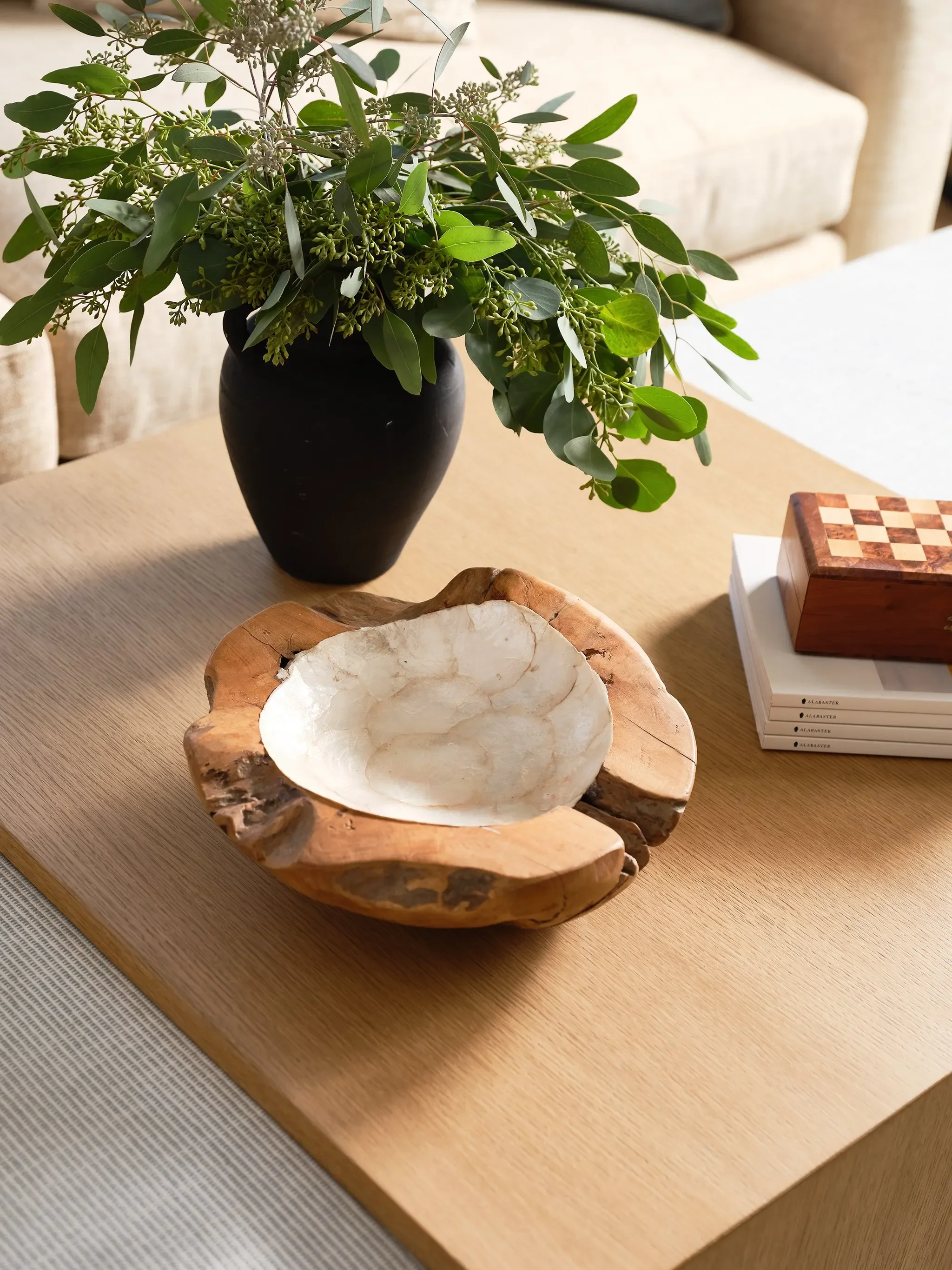
Natural light, greenery, and materials like wood, linen, and stone lower stress and improve mood — a concept designers call biophilic design. Research shows even 60 minutes in a nature-rich environment restores energy and calm, and rooms built with natural materials consistently feel less sterile than ones without them.
Separate research from INTEGRIS Health links natural elements like sunlight and greenery to lower cortisol. In practice, that means real materials over synthetic ones wherever you can swing it, and protecting your natural light instead of blocking it. Heavy drapes might feel cozy in a catalog, but if they're choking your best window, they're working against you.
Know When You’ve Hit the Ceiling of What You Can Fix Alone
You can do a lot of the first three steps yourself. Clear the counters, swap the paint color, buy a plant that won't die by next weekend. But there's a ceiling to what you can see on your own, because you're the one living in the mess every day. The stuck-furniture, stuck-layout, hate-the-color-but-can't-place-why problem usually isn't a taste problem. It's a proximity problem.
That's the whole reason hiring an interior designer tends to save people more time and money than they expect — not because a designer necessarily has better taste, but because we aren't staring at the mess you've stared at for five years. We walk in cold. We see the room, not the history of every failed attempt to fix it. That distance is exactly what turns "fine for now" into a home you can't wait to walk into.
If you've read this far nodding along, that's usually the sign. You don't need the whole vision figured out before you call — that's genuinely my job. Set up a call with me, and let's talk about designing a home that radiates peace, not the opposite.

Frequently Asked Questions
What's the fastest way to make a room feel calmer?
Clear one surface completely, whether it's a kitchen counter, a nightstand, or a coffee table, and leave it that way for a week. Visual noise is the biggest trigger for a room that feels chaotic, and even one clear surface gives your eyes a place to rest.
Do I need to declutter before hiring a designer?
No, and in most cases I'd rather see the space as it actually lives, mess and all. Decluttering ahead of time can even hide the real problem, since the way you're storing things often points to a layout or storage issue a designer can solve for good. Save your energy. That's what we're there for.
What colors make a room feel the most calm?
Cooler, muted tones like sage green and soft blue are consistently linked to lower stress and better focus, along with warm neutrals like taupe and soft greige. The right color depends on your home's natural light and how the room is used, so there's no single "most calming" shade that works everywhere. This is one of the fastest ways a professional eye saves you a repaint.
Can I create a calm home on a small budget?
Yes. Clearing surfaces, editing what's visible, adding a plant, and layering your lighting cost little to nothing and make a real difference. Full-service design isn't the only path to a calmer home — it's just the fastest one once you're ready for it.
How do I know if I need a designer or just a good declutter?
If a good clean-out and a new throw pillow would genuinely solve it, start there. If you've already tried that and the room still feels wrong, or you've been staring at the same layout for years without knowing what to change, that's usually a sign the problem is bigger than clutter. That's exactly the moment a fresh set of eyes tends to help most.